¶ Tor is a Conflict of Interest
¶ The malicious group KAX17 had been identified as having run up to 35% of the middle relays, before the Tor Project removed 900 of their servers. But having the Tor Project remove government nodes is a conflict of interest, when their primary customer is the US government.
In the fiscal year 2021-2022, approximately 53.5% of the Tor Project's revenue came from U.S. government funds. This percentage reflects an increase from the previous fiscal year.
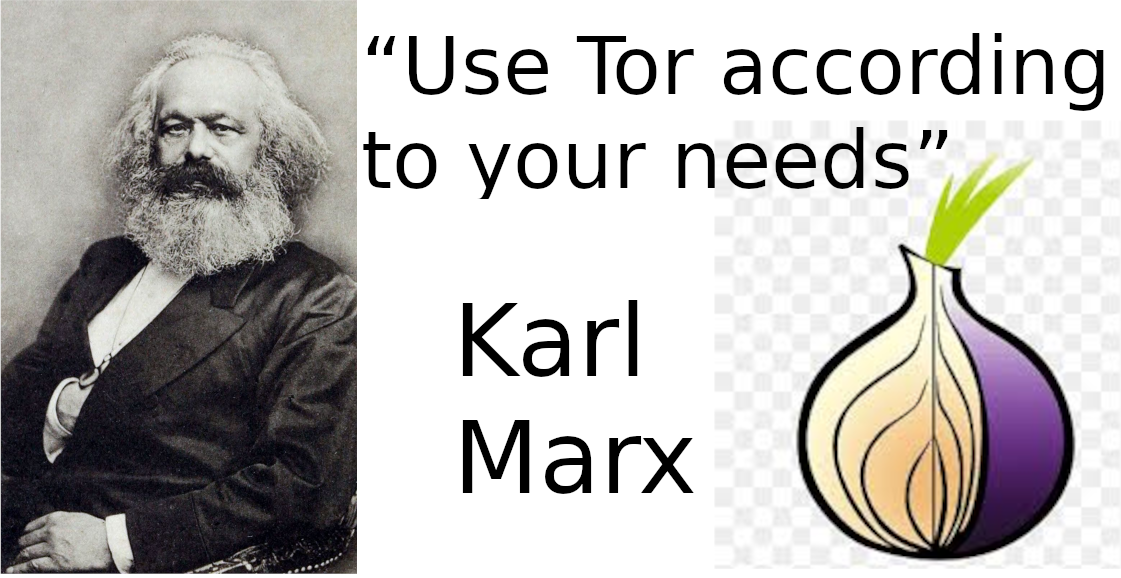
¶ Even Tor's founder admits the technology was designed to help the government gather info.
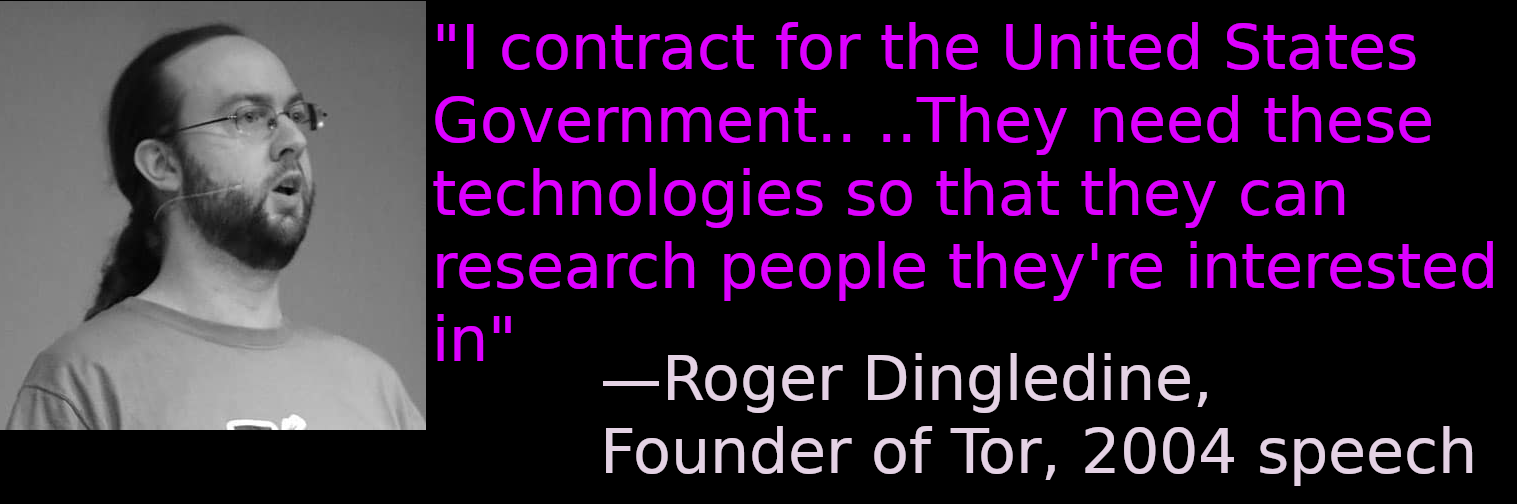
¶ As CyberInsider reported, Tor developer Steven Murdoch discovered a vulnerability with the way Tor was handling TLS encryption. Roger Dingledine alerted two government agents about this vulnerability, before the general public. [1]
¶ Because it's a free socialist resource, it's abused, which leads to the exit IPs being blocked.
¶ Long List of Issues
As we wrote about previously, The Tor Project has a long history of problems and arrests with no explanation. For example in 2017, the FBI dropped a case against a school worker accused of downloading child pornography because the FBI would have rather let him go than reveal the source code for how they deanonymitized him through Tor. Now, some say these can be solved with good opsec or downplay the quantity of government nodes, but...
¶ Tor Nodes are a commodity.
¶ So the end-user has no real way to evaluate their legitimacy.
¶ Maybe they are the government, maybe not.

¶ Our Approach
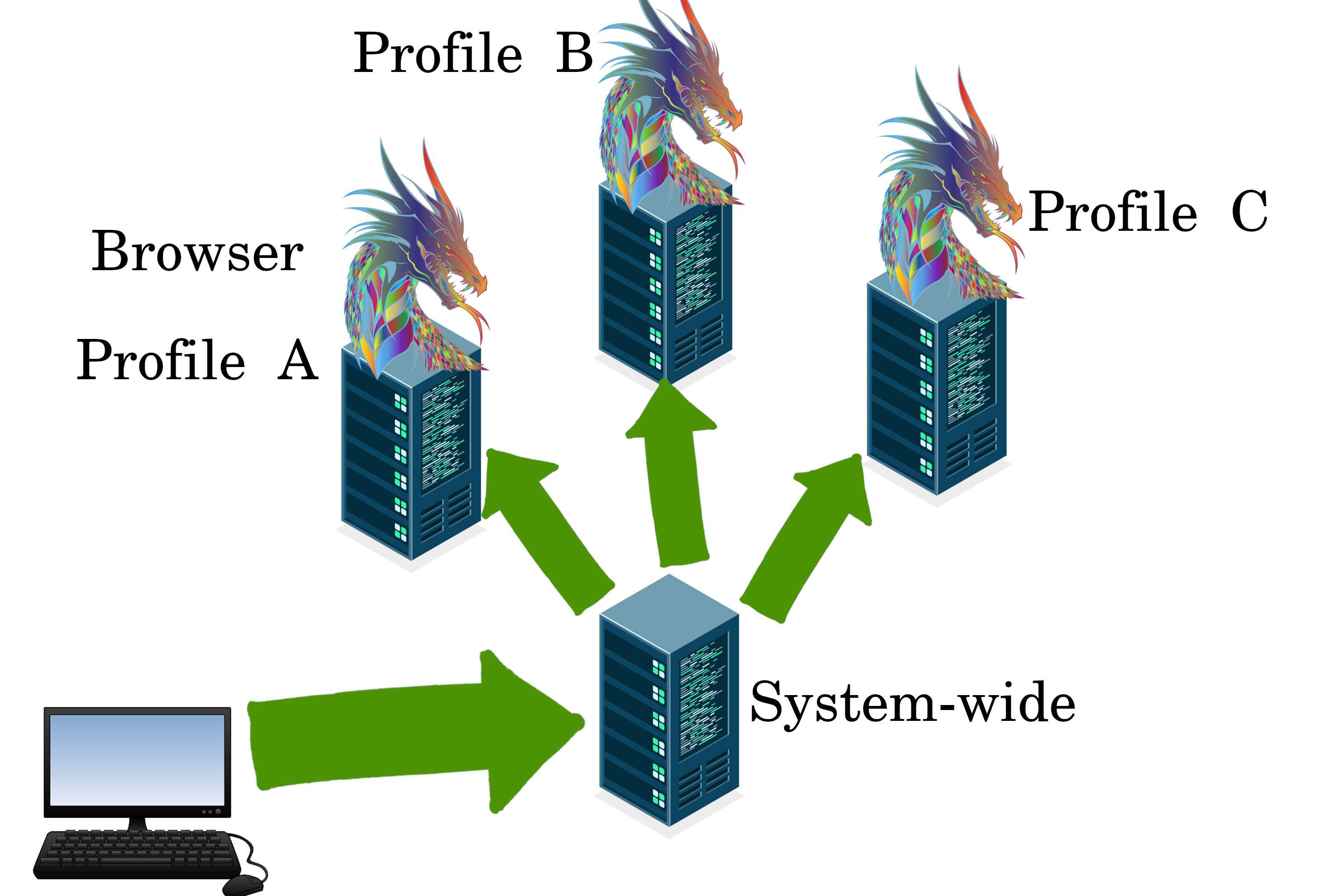
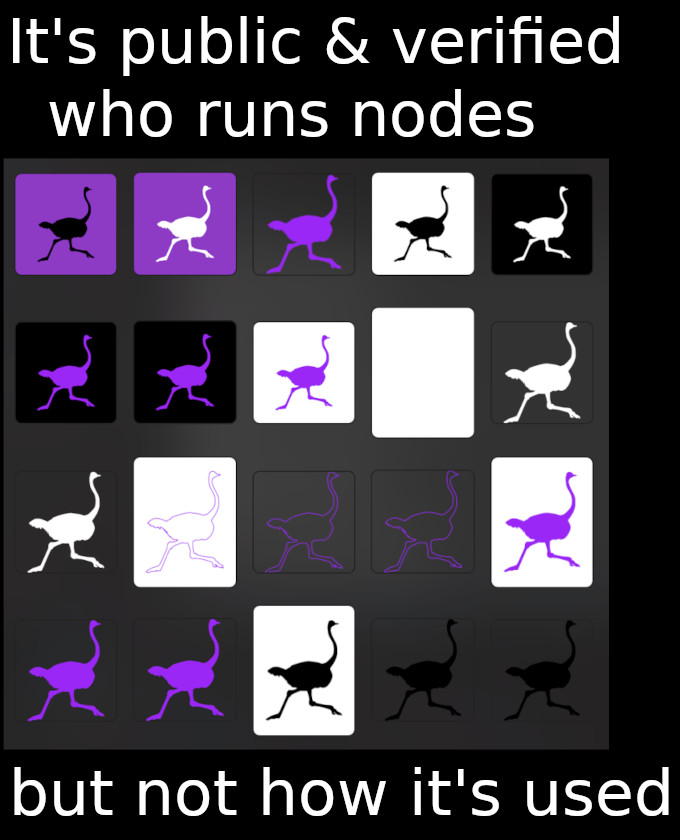
¶ Instead of having random nodes with no way to evaluate, our network uses Nostr influencers who post (sign) to the social network their HydraVeil key.

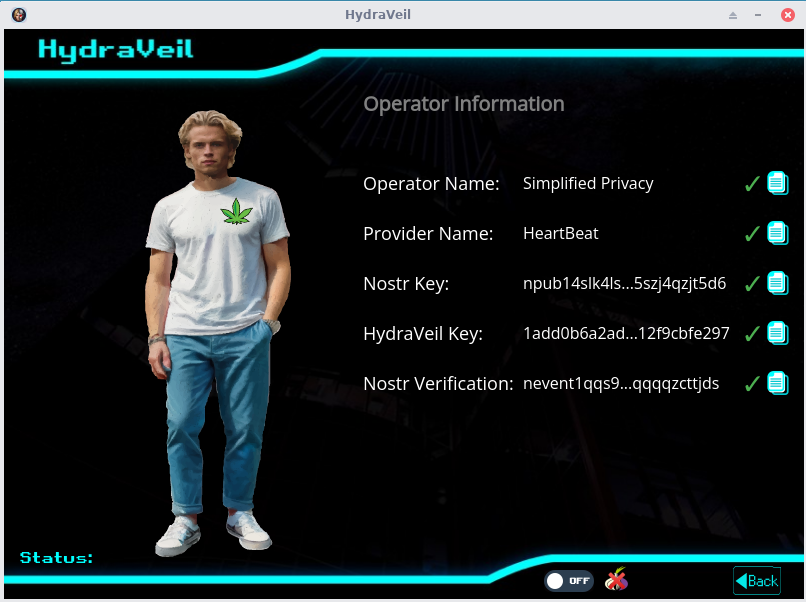
¶ All our Wireguard Endpoints are signed by the operator.
¶ And HydraVeil verifies the signed Wireguard Public key to establish a tunnel prior to connecting,
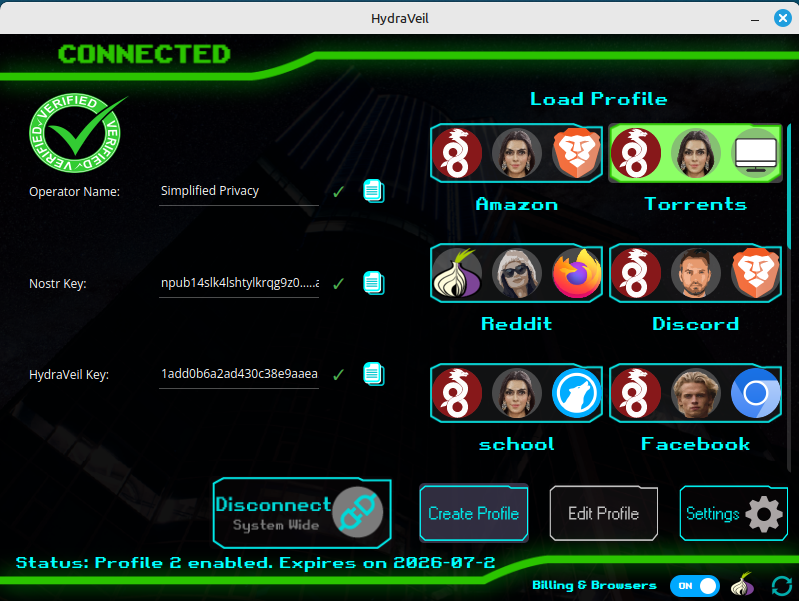
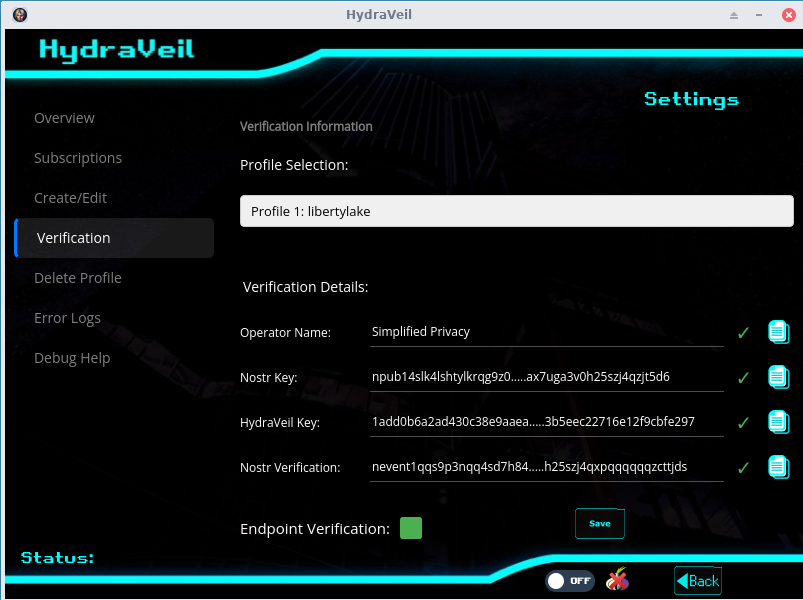
¶ This provides undeniable cryptographic proof that particular Nostr member is running the node. Visible anytime in the settings and post-connection.
¶ With two layers, it's anonymous,
¶ Since the first layer for system-wide can't see the traffic. And the second layer, can't see your real home IP address.
If you want a third hop, you could even put it on your router.
¶ Tor Browser requires restricting JavaScript, which breaks websites.
¶ While HydraVeil can't be stopped, or even detected.
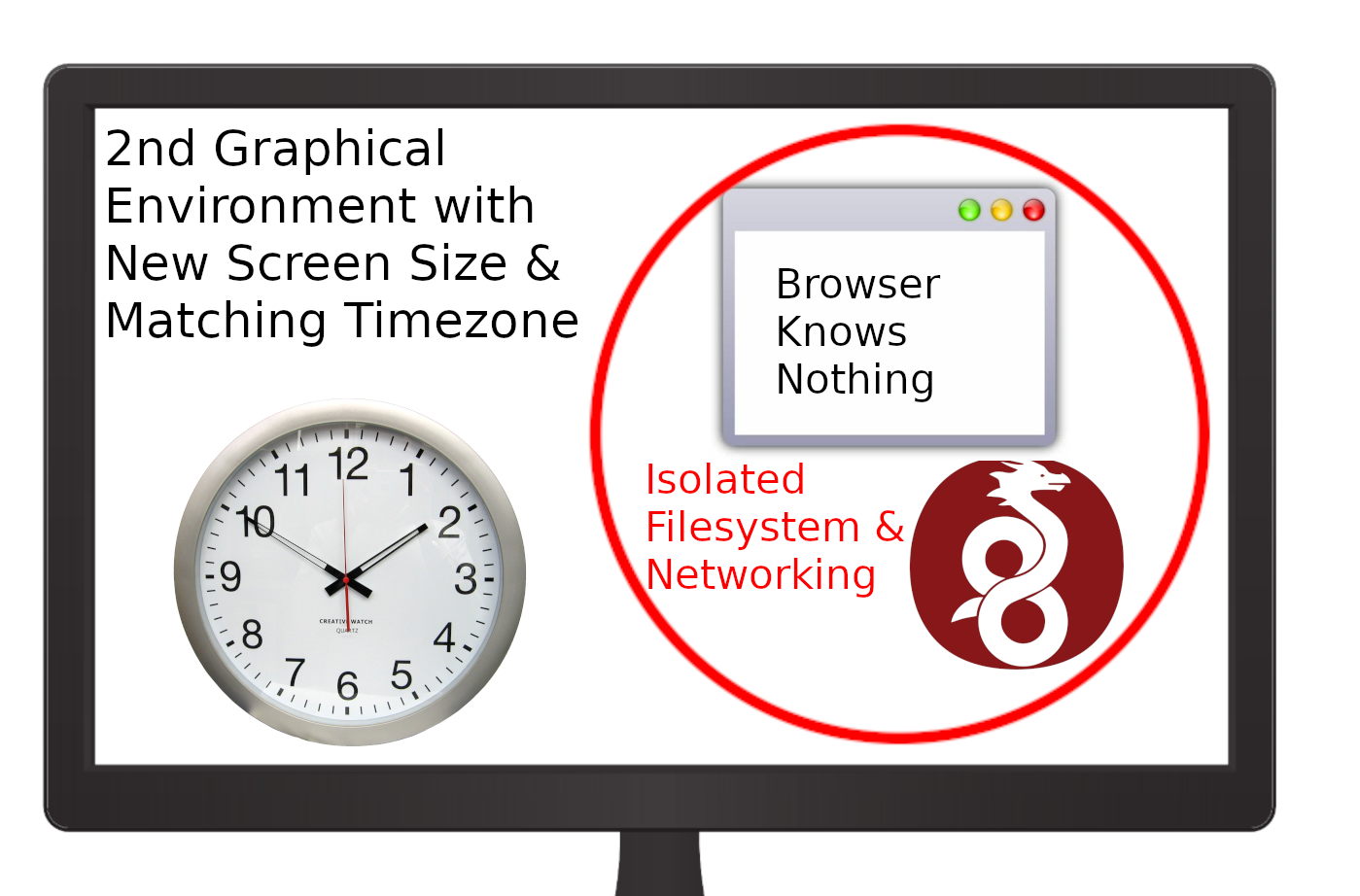
This looks like your real fonts, real screen size, real timezone (matching the IP), and more. So you're hazed way less than Tor.
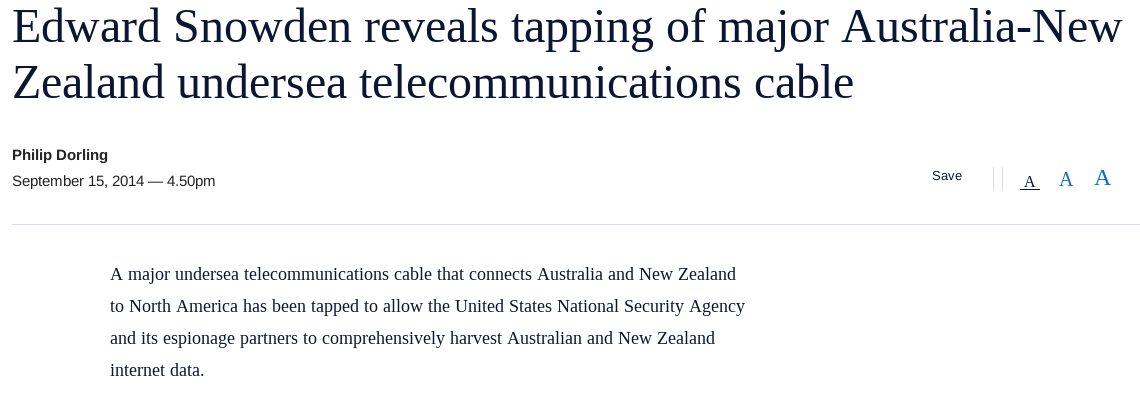
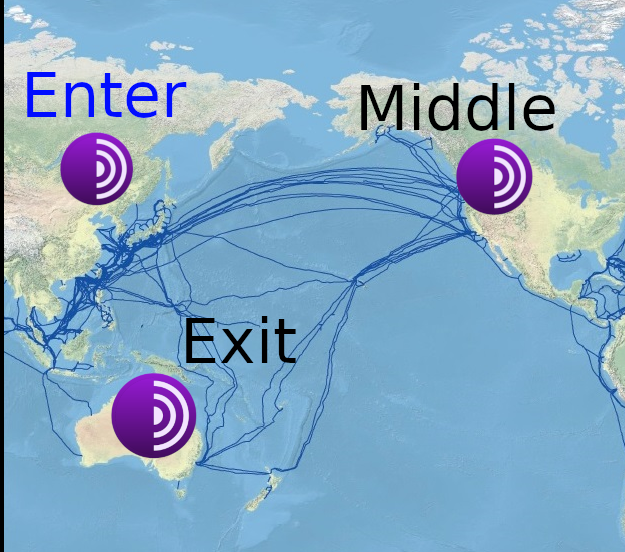
¶ As we discussed previously, the intel agencies love to tap centralized choke points, such as ocean cables.
¶ But Tor is indifferent to locations.
¶ So Tor users bounce back and forth over tapped ocean cables with the same packet size.
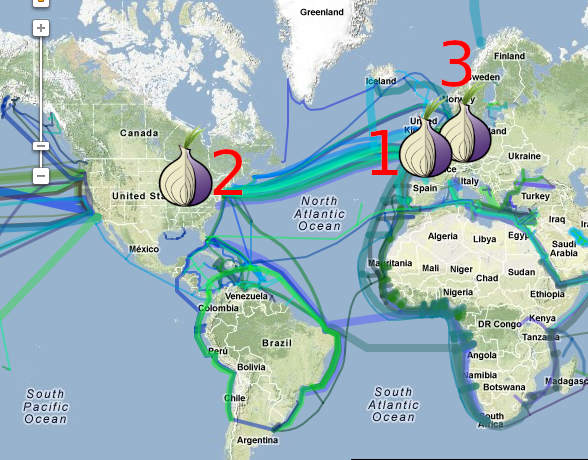
¶ Tor arbitrarily divides nodes into public, clearly defined, static roles of entrance "guard", middle "relay", and exit nodes. This makes it far easier to track and predict the path, when the developers did NOT have to do this.

¶ While as with HydraVeil,
¶ All nodes could be an entrance or exit.
You could be coming or going. And you can travel through the infrastructure, as it moves farther away from you.
¶ Tor Recap,
¶ Slow
¶ Socialism
¶ Ineffective Routing
¶ Tor Browser Breaks Websites
¶ Forces JavaScript Restrictions
¶ Conflict of Interest Devs
¶ Can't Evaluate Commodity Nodes
¶ Blocked IP addresses
¶ Can't do Live Audio/Video (UDP)
¶ Predefined Predictable Roles for Nodes
(Entrance, Middle, Exit)
¶ HydraVeil Recap
¶ Nostr Operators
¶ User picks who they trust
¶ User picks their route
¶ All Websites Work
¶ Fast yet Anonymous
¶ Advanced Isolation Security
¶ Clean IP addresses
¶ Fingerprint protection without breaking websites
¶ Appears to website as Real
¶ Anonymous Audio/Video Web Apps
¶ All Nodes Could be an Entrance or Exit